
Governor Ramen Deka pitches for good governance, economic strength as Chhattisgarh marks 26 years of formation
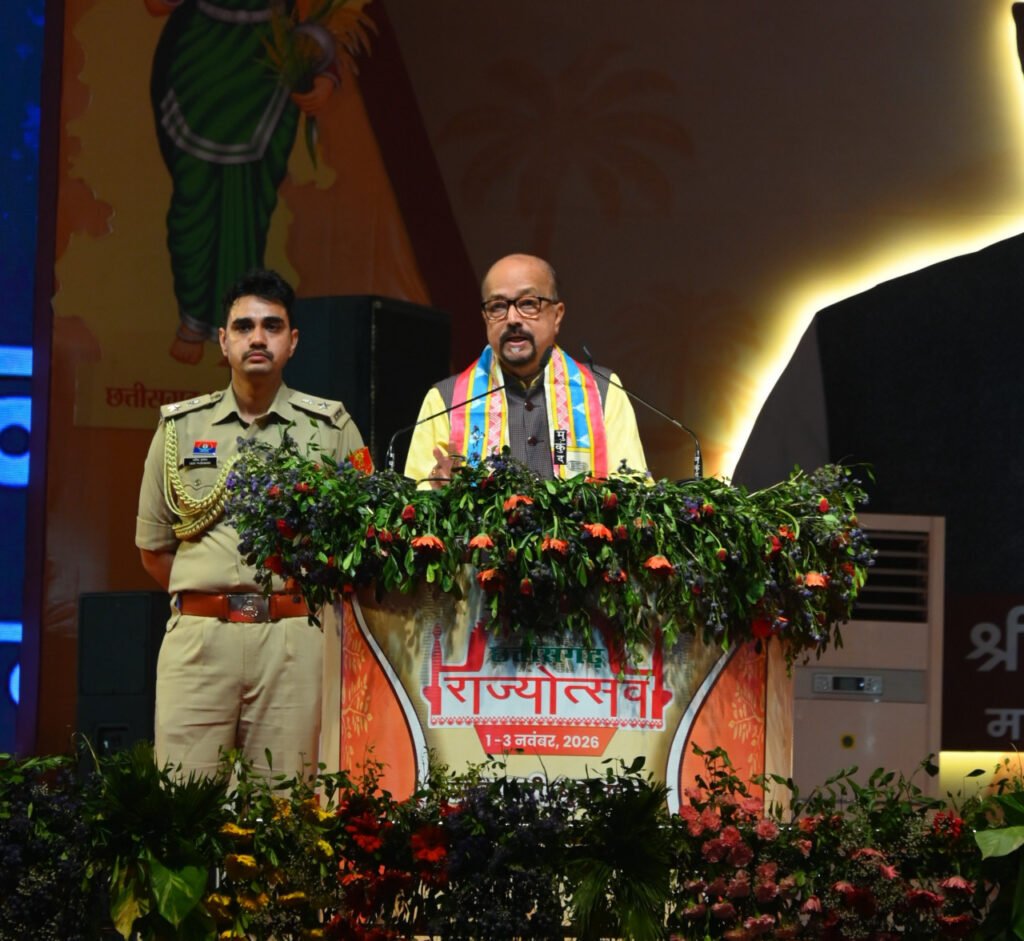
Raipur, (VW) Governor Ramen Deka on Monday stated that Chhattisgarh has reached a critical developmental milestone upon completing 26 years of statehood, entering an era defined by renewed responsibilities, expanding horizons, and collective public resolve.
Addressing the second-day celebrations of Chhattisgarh Rajyotsav-2026 in Naya Raipur as the chief guest, Deka emphasized that active participation from citizens, youth, women, farmers, workers, and tribal communities is vital to shaping Chhattisgarh into a model of good governance, economic resilience, and social harmony. He expressed confidence that the collective efforts of the state’s population will significantly contribute to the vision of a developed India (Viksit Bharat).
Paying tribute to the visionaries and leaders who championed the creation of Chhattisgarh—particularly former Prime Minister Bharat Ratna Atal Bihari Vajpayee—the Governor noted that the state was founded in 2000 amidst high aspirations and complex challenges. Over the past two and a half decades, the state has built a robust developmental foundation spanning education, healthcare, agriculture, industry, and infrastructure.
Highlighting the transformative changes in Bastar, Deka observed that peace and security remain foundational prerequisites for regional progress. He commended security forces for their courage and sacrifice, while welcoming individuals who have renounced violence to rejoin the mainstream. Essential infrastructure, including roads, electricity, telecommunications, and healthcare facilities, is now reaching remote areas that were previously isolated, empowering local residents through livelihood missions and educational initiatives.
Turning to ecological stewardship, the Governor stressed that Chhattisgarh’s rich natural wealth—forests, rivers, and mineral resources—must be protected alongside economic expansion. He advocated for a public-driven water conservation campaign to manage future environmental challenges, underlining that development and ecological preservation are complementary forces essential for sustainable growth.
Deka also underscored the importance of education, technical training, and skill development for younger generations, citing the planned establishment of educational hubs in remote regions such as Abujhmad and Jagargunda. On the economic front, he noted that major industrial projects, including semiconductor manufacturing units and artificial intelligence-based data center parks in Naya Raipur, alongside central and state welfare initiatives like the Mudra scheme and startup programs, are generating new employment and entrepreneurial avenues.
Presiding over the cultural proceedings, Culture Minister Rajesh Agarwal highlighted that Chhattisgarh’s core strength lies in its vibrant tribal traditions, folk art, and rich cultural diversity, which span from the forests of Bastar to the hills of Sarguja. He noted that the state government, under the leadership of Chief Minister Vishnu Deo Sai, remains fully committed to safeguarding tribal heritage, supporting local artisans, and integrating cultural tourism with sustainable livelihood generation.
Culture Department Secretary Dr S. Bharathidasan delivered the welcome address, outlining that this year’s Rajyotsav is themed around women’s empowerment and youth aspirations (Sashakt Nari, Yuva Udaan), showcasing the state’s developmental trajectory and public welfare schemes through comprehensive departmental exhibitions.
The ceremony was attended by Member of Parliament Sunil Soni, MLAs Purandar Mishra, Motilal Sahu, and Anuj Sharma, alongside senior administrative officials, prominent literary and artistic figures, and a large gathering of citizens.